WorkShapesPricingHowSend an idea
applied intelligence

Built while you watch.

Ascend makes the working thing. A tool, a game, a demo, a document that runs itself, an agent, an audit. For clients large and small. Usually in a sitting. Sometimes in 23 minutes.

One file, no build step Outcome, shared benefit, hybrid or hourly Looked at before it ships
Tool
Game
Demo
Live document
Agent crew
Audit
The bench · demo
00:00

Type a thing. Watch the clock.

Writing the brief…

Asset
Shape
Ships as
Elapsed
Demo. The real one takes a sitting. Nothing typed here is stored.
Recent builds · all real

Things that got made.

Not mockups. Each of these opens and runs. Most are a single HTML file you could email.

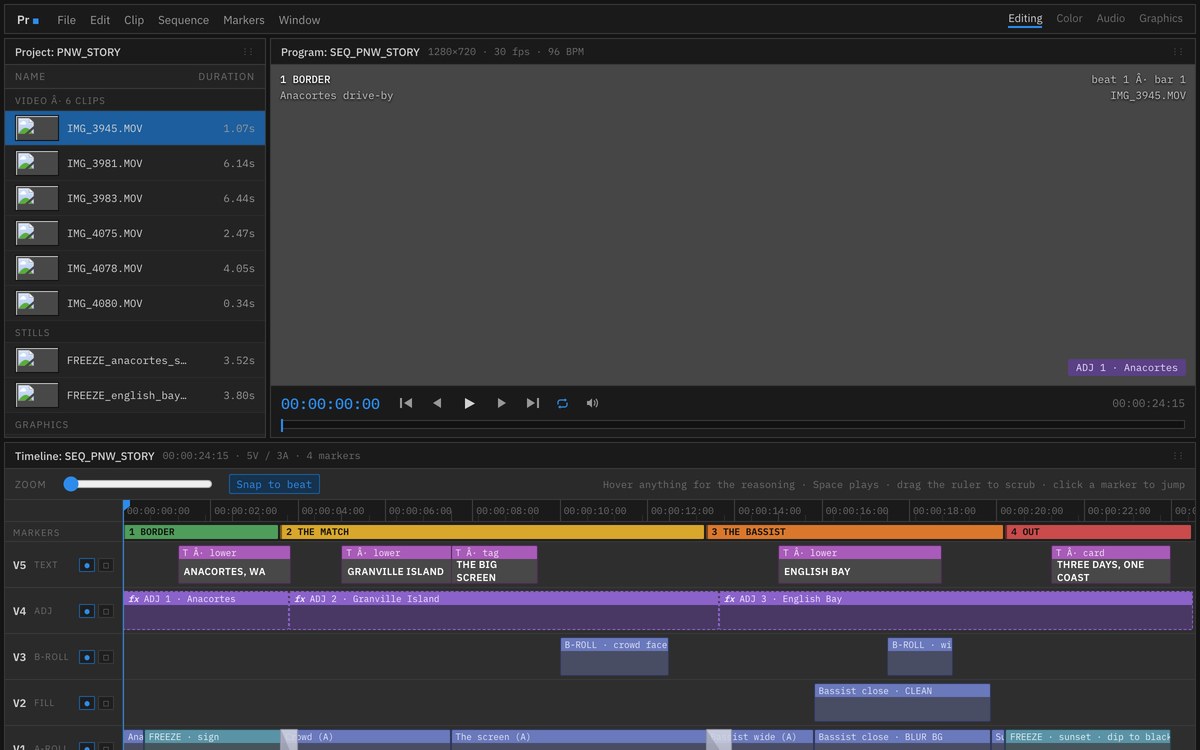
Video B-Roll Organizer: an empty editing timeline showing tracks, markers and a toolbarTool · video

Video B-Roll Organizer

Drop in raw clips, get back a scored, markered timeline.
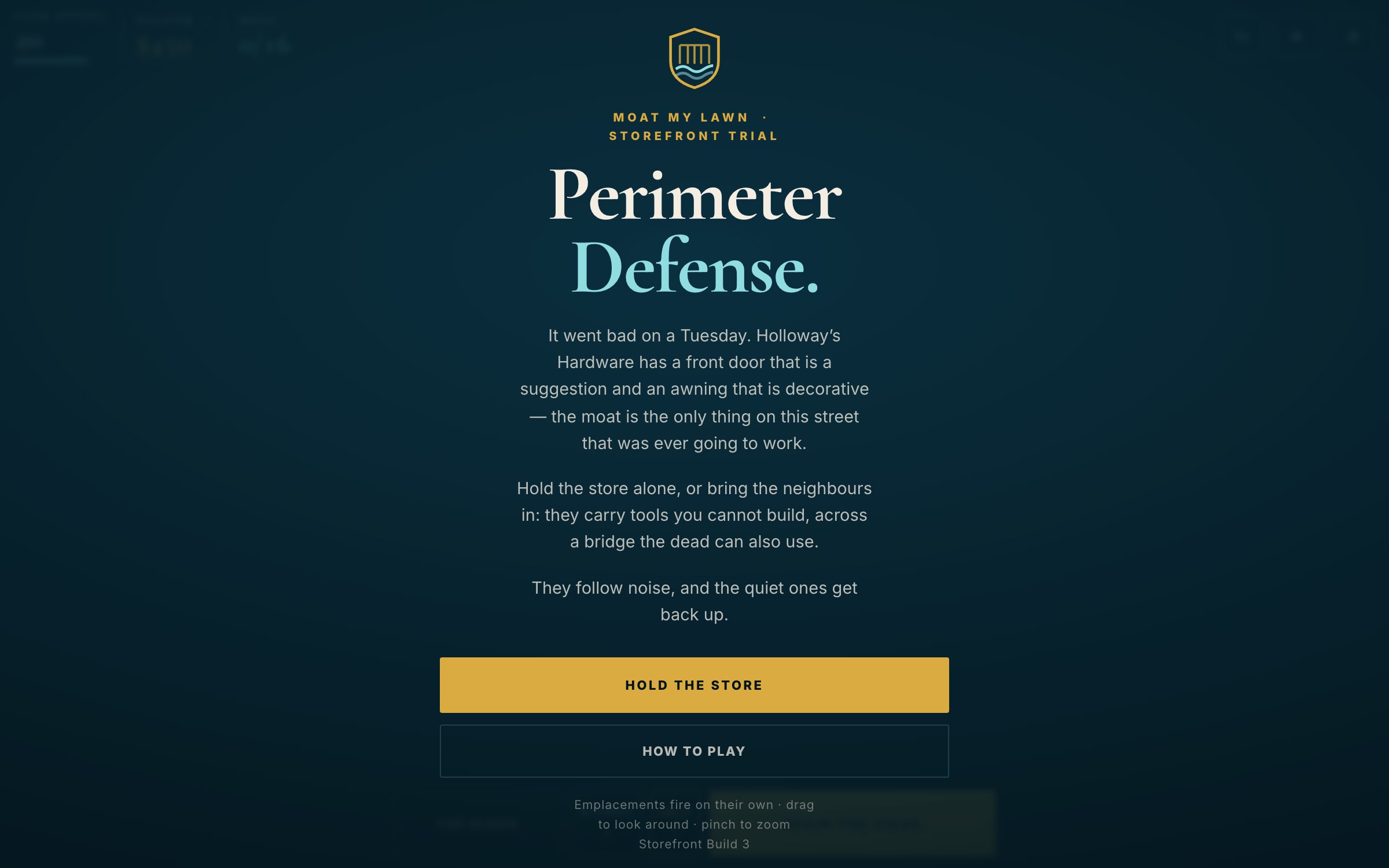
Perimeter Defense: Storefront title screen, v2Game · v2

Perimeter Defense

Hold one suburban lot against the dead. Emplacements aim themselves.
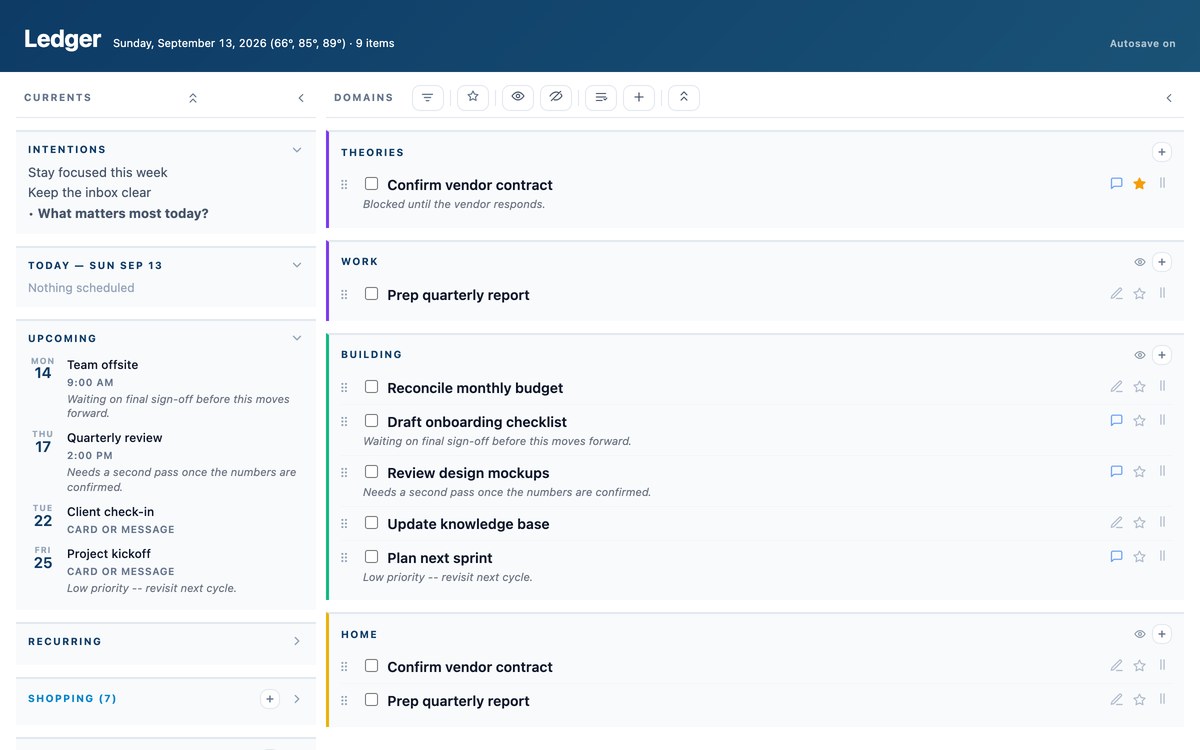
RichOS: a task ledger rendering itself from dataSystem · client zero

RichOS

The operating system for one life. Nine months lived in, not demoed.

Not sure? Start with the first one

What you can ask for.

Whatever form the outcome needs. Identity comes from your subject, never a template with the colours swapped.

An AI build

Don't know the shape yet? Say what you need done. We find the right one together.

01

Data plumbing

Most of what your organization knows is locked in its data — scattered, duplicated, half-labelled, invisible to AI. Modelled, mapped and cleaned until it can actually be used. By the job or on retainer.

02

A tool

The utility your team keeps opening. One file, no login, works offline. Like: PNW Story Cut

03

A game

A teaching object people actually play. Small enough to finish, fun enough to send. Like: Perimeter Defense

04

A demo

A false door for a product that does not exist yet. An honest coming-soon, a URL you can send tonight. Like: Moat My Lawn

05

A live document

A plan, a ledger, a brief that updates itself and saves where you left it. Like: The Moat Ledger

06

An agent crew

A small crew with one job and a visible trace, on a schedule or a mission file. Like: Venture Scout

07

An audit

Point it at the thing you already have. A scored inventory, a short list of what to change first. Like: Compute Tier Audit

How you pay · you choose

Pick the meter.

Advertising solved this a decade ago. You could pay for exposure, pay per click, or pay when the job was done. AI is walking the same ladder, from GPU hours to tokens to outcomes. Ascend prices at the outcome end whenever the job is scoped enough to name one.

Meter 1 · Hourly or retainerBuy the hours, watch the clock

$500per hour · one-hour minimum
When
A sitting, a rescue, a question that needs a builder in the room today. Or a result nobody can measure. Or a standing role, like keeping an organization's data clean month to month.
How
Billed in the hours actually spent after the first one. A 23-minute build is one hour. A four-hour sitting is four. On retainer: a monthly block of hours at a lower rate, reviewed each quarter. Numbers in the conversation.
Protects you
You start it and stop it. The retainer is optional and ends with notice. No scope to argue over.
One-hour minimumStop any timeRetainer optional

Meter 2 · OutcomePay for the result, not the weeks

CPAthe AI-build version of "pay when it's done"
When
Advertising walked this ladder first — exposure (CPM), then action (CPC), then result (CPA). AI is walking it again: GPU hours, then tokens, then outcomes. Outcome pricing is Ascend at the same far end, whenever the job is scoped enough to name a finish line.
How
We write the finish line down before day one. Discovery is free. You pay when it lands. If it can't be measured, it isn't offered as an outcome.
Protects you
The definition of done is on paper first, both of us sign it, and kill-on-purpose counts as done — you pay for a decision, not for drift.
Written firstBoth sign

Meter 3 · Hybrid + benefit sharingA small fee, then a share of what it earns

Fee + shareor share alone · numbers in the conversation
When
The baseline can be measured and both of us would sign it. If the build itself is worth something on day one, a small fee sits under the share; if not, the share stands alone.
How
No fee, a modest one, or a reduced one — the fee is the floor, so the share can be smaller. Either way, a share of the measured benefit is priced after the baseline, and it stops on a date we write down.
Protects you
A signed baseline before the clock starts, a cap on the total, a floor under it, a time-box so it ends.
BaselineCapFloorTime-box

Meter 4 · Cost per pixel, invertedThe less it uses, the more it's worth

CPP−1the disappearing meter · numbers in the conversation
When
The best version of the thing is the one you barely notice. A tool that answers in one glance, an agent that finishes without asking, a page that needs no scrolling.
How
We agree a footprint budget up front: screen space, clicks, agent cycles, tokens. The fee moves in inverse proportion to what the shipped thing actually uses. Under budget, I earn more. Over budget, I earn less. Every unit is countable, so there is nothing to argue about.
Protects you
You are never paying for bloat, because bloat is what cuts my fee. Any garnish I add — bonus polish, a "while I'm in there" extra — counts toward the same footprint; there's no free add that quietly doesn't count. A cap so the multiplier has a ceiling, a floor so the build is never free, and the footprint is measured on the shipped file, not a promise.

Every other meter in the industry pays the vendor more when you use more. This one pays the builder for restraint. The less the whole thing uses — the outcome and anything Ascend garnishes it with — the more it's worth. It is the inverse of CPM, CPC and tokens, and the only meter that pays for don't make me think.

Footprint budgetCapFloorMeasured on the file
60%
60%
60%
60%
Footprint used
60%
of the agreed budget
Fee multiplier
×1.6
Under budget. The builder earns more.

Drag the footprint down and watch the fee go up. Demo curve: ×1.0 at budget, ×3.0 at zero, floor at ×0.5 over budget. Real curve is agreed in the conversation.

Why not just the hour, every time? The cost of intelligence collapsed. The value of applying it well did not. Charging only for hours means charging you for the part that got cheap. So the hour is on the menu, honestly priced, and it sits last on purpose. Picking a meter is also price discovery: what people choose says what they value, and the market is moving to the outcome end. Which meter fits is the first thing we settle. Scope in the first reply.

The sitting · fixed order

How a build goes.

01

You name it

A sentence is enough. A joke in a group chat has been enough. Bring what you already hold: the name, the buyer, the thing you refuse to accept.

02

The brief

What is true, what is assumed, what would kill it. Scored honestly. The brief decides the centerpiece, so the build is matched to content, not to a name.

03

The build

One file. One interaction done properly. Rendered and looked at before it ships, because looking catches what reading the code cannot.

04

It runs

A URL you can send. Then we count what happens: who reaches, what it saves, what it earns. That number picks the next build.

Inbound · answered

What's the thing?

Name it. Say what it should do. Say which meter you'd pick if you had to pick now. Scope comes back in the first reply.

This opens your mail app and sends to rich@ascendinteractive.com. Nothing is stored on this page. If your phone has no mail app, write to that address directly.

Or take the details with you

Three sides, one card. Turn it, or let it turn. The arrow saves a vCard straight to your contacts — or open it on its own.